Garden clearance in Staines
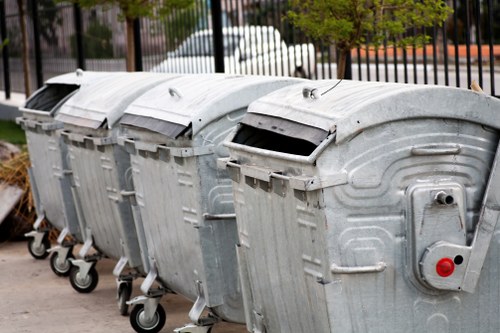
Garden clearance in Staines for homes, landlords and property managers can cover overgrown borders, piles of cuttings, broken outdoor items and mixed green waste that needs removing in a tidy, organised way. We focus on practical clearance work that helps restore usable space, whether the job is a once-off tidy-up after a long growing season or part of a broader outdoor declutter. The aim is straightforward: clear the area safely, separate what can be handled sensibly, and leave the garden ready for the next stage.
Our approach to garden clearance is built around the type of waste present and the condition of the space, rather than a one-size-fits-all visit. That can include plant matter, soil-contaminated debris, damaged pots, old timber, small outdoor fixtures and general rubbish that has accumulated outside. If you are comparing options, it is usually sensible to think about access, volume and whether the job is a simple green clearance or a mixed outdoor removal task. Clear instructions up front help keep the work efficient.
When you need a quotation, it helps to describe what is present, how much needs moving and whether items are stacked, bagged or spread around beds, paths or sheds. Photos can be useful, especially if the garden includes awkward corners, narrow side access or heavier waste mixed in with cuttings. For a quick start, send the details you already have, note anything that may be fragile or difficult to reach, and ask for the most suitable quote for the clearance required.
Clearance for overgrown gardens and seasonal cutbacks
Overgrown gardens often need more than simple bag collection. A proper clearance may involve gathering hedge trimmings, lifting fallen branches, removing dead plants and dealing with the material that has built up beneath thicker growth. Where access is limited, the work needs to be planned so paths remain usable and the waste can be moved without trampling the rest of the space. This is especially useful when a garden has been left untended for a while and needs a practical reset.
Seasonal cutbacks can also produce more waste than expected, particularly after pruning shrubs, reducing climbers or tackling large borders in one go. In those cases, a useful service is one that can handle both the green waste itself and the incidental debris that comes with the job, such as twine, plant supports, broken canes and light outdoor rubbish. If you are arranging a clearance after gardening work, it is sensible to separate reusable garden items from genuine waste before removal starts.
What this type of work often includes
- Bagged or loose grass cuttings, hedge trimmings and leaf waste
- Small branches, prunings and woody garden debris
- Old plant pots, seed trays and worn outdoor containers
- Damaged ornaments, light fixtures and general patio clutter
- Mixed garden waste from one-off tidy-ups or larger clearances
Furniture and bulky item removal from outdoor areas
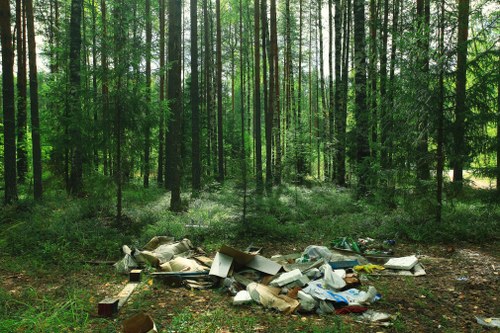
Some garden clearances are not mainly about plants at all. Outdoor spaces can collect broken benches, tired patio sets, waterlogged cushions, BBQ equipment and furniture that no longer fits the layout of the property. Removing bulky outdoor items carefully matters because they can be awkward to lift and may need dismantling before they can be taken away. A good service handles that practical side rather than leaving you to guess how to move everything yourself.
Where furniture or larger items are mixed into the garden waste, the work often becomes a combination of clearance and item removal. That is useful for customer who want a single visit to deal with old seating, tables, storage boxes and faded decorative pieces alongside cuttings and debris. It can also help where a shed, patio or conservatory spill-out area has become a holding point for things that should not stay outside. If the items are damp, rusty or partly broken, it is still best to note them in the enquiry so the job can be planned accurately.
For a smoother quotation, mention whether bulky items are on level ground, upstairs, under shelter or tucked behind other materials. That avoids surprises and lets the work be scoped realistically. Our team can then judge the mix of lifting, sorting and removal involved, which is often what separates a straightforward clearance from a more involved outdoor tidy-up. If the load includes both furniture and loose waste, a single clear description usually gives the best starting point.
Garage, shed and side-return clearances
Garden clearance is often linked to the spaces beside and behind the house, not only the lawn itself. Garages, sheds and side returns can become temporary storage areas for broken tools, garden supplies, offcuts, packaging and old household items that have drifted outdoors. Clearing these areas can make it easier to reach the garden properly and can reduce the amount of mixed waste that has to be shifted from multiple spots.
These jobs are usually at their best when the clearance is organised by zone. One section may contain rusted tools and empty planters, another may have turf offcuts or dismantled storage, and a third may hold general clutter that has been left for a long time. The useful decision here is whether the space needs a simple emptying of unwanted items or a broader sort-and-clear service that separates garden waste from other materials. That distinction helps keep the work focused.
Where the access route is tight, such as through a narrow passage or around a side gate, it is worth stating that early. The same applies if you have items that are awkward rather than heavy, like long timber, broken trellis panels or stacked containers. A clear note on what is involved helps shape the quotation and reduces the risk of overlooking hidden waste behind larger objects.
Supporting tidy, practical outdoor space after a clear-out

A well-planned garden clearance is not just about taking waste away. It also supports the next stage of using the space, whether that means replanting, repairs, pressure washing, laying new gravel or simply making the garden easier to maintain. Once clutter is removed, it becomes much simpler to see what is actually left to do. That can be valuable for homeowners who want a manageable outdoor area rather than a garden that feels permanently blocked by leftover materials.
In practical terms, the most useful clearances deal with the waste in a way that respects what remains on site. Pots you still want to keep should be set aside, usable timber should not be mixed with rubbish, and fragile fittings should be identified before the work begins. This is where a measured approach helps: the objective is not just speed, but clear separation of items so the final result makes sense for the property. If there are materials you may wish to keep, tell us before collection is arranged.
Two simple points usually improve the accuracy of a quotation. First, say whether the garden can be reached directly or whether waste must be carried through the house, garage or another route. Second, explain if the waste is already gathered in one place or still spread through beds, borders and hardstanding. Those details do not need to be elaborate, but they do help set expectations and make the booking process more straightforward.
Pricing factors and how garden clearance is assessed
 Garden clearance prices are usually shaped by the volume of waste, the type of material and the effort needed to remove it safely. A small pile of cuttings in one corner is very different from a mixed clearance involving branches, old outdoor fittings and debris spread across several areas. Access also matters, because a direct route to the waste is simpler than carrying material through a property or around restricted side access. These practical points are the main things to think about when requesting a quotation.
It is also helpful to consider whether the job is mainly green waste or a blend of garden and household materials. Mixed loads can require more sorting, and items such as timber, soil-covered debris, broken furniture and garden ornaments may affect how the work is planned. In some cases, the best starting point is a clear description of the largest items and the rough amount of loose material. That gives enough information for a sensible estimate without overcomplicating the request.
To make the quote stage easier, keep your notes focused on the essentials: what is to be removed, how much of it there is and what access looks like. You do not need to prepare everything in advance, but a little clarity goes a long way. If you are ready to move ahead, ask for a quotation and describe the clearance in plain terms; it is usually the quickest route to the right service.
About Staines
Staines, more formally Staines-upon-Thames, is a historic town in Surrey on the River Thames, just upstream from the point where the River Colne joins the Thames. Its river setting has shaped the town for centuries, with crossings, riverside movement and trade playing a central role in its development. The name itself is ancient, and the settlement appears in early records, reflecting a long period of continuous occupation around the river corridor. The modern town sits within the borough of Spelthorne, yet it retains a recognisable town-centre identity of its own.
One of the most distinctive features of Staines is its relationship with the Thames and the surrounding floodplain. The riverfront, bridges and nearby towpaths provide a strong sense of place, while the built-up centre contains a mix of shops, offices and residential streets that spread out from the older core. The town also has a notable transport character, with rail connections and road routes linking it to neighbouring parts of Surrey, Middlesex and west London. This position has influenced growth over time and made the town a practical cross-river and cross-county hub.
Architecturally, Staines combines modern development with older structures and surviving historic references. The town centre has been reshaped several times, particularly through twentieth-century redevelopment, but traces of earlier streets and local civic life remain embedded in its layout. The nearby riverside landscape adds variety through open water views, green edges and places for walking. Staines Reservoirs, Staines Moor and the Thames-side environment all contribute to a broader setting that feels more open than the centre alone might suggest. Together, these elements give the town a layered identity that mixes river heritage, suburban growth and everyday commercial life.
What to remove from a typical garden clearance
Garden clearance can involve a wide range of materials, and the most useful service is one that can deal with the practical mix found outside rather than only one category of waste. That may include grass cuttings, hedge trimmings, old compost bags, plant pots, broken stakes, sections of timber fencing and discarded outdoor accessories. In some properties, the garden also acts as the resting place for items that were never truly meant to stay there, such as broken chairs or flat-pack packaging that has weathered over time.
Because outside areas are exposed to rain, sun and soil, the contents can vary from light organic material to heavier and more awkward pieces. Some items may be tangled together or partly hidden under growth, so the key decision is often whether the clearance should be handled as a simple green waste job or as a broader mixed removal. When the contents are described clearly, the resulting quote is easier to understand and compare. That is especially true if there are both soft materials and bulky objects involved.
If you are sorting through the space before arranging removal, focus on categories rather than perfection. Pile the items you know are going, note anything you are unsure about and separate anything you want to keep. You do not need to make the site look finished first; you only need to make the scope legible enough for a sensible quotation. That small amount of preparation often saves time later and avoids unnecessary back-and-forth.
Choosing the right level of service for the site
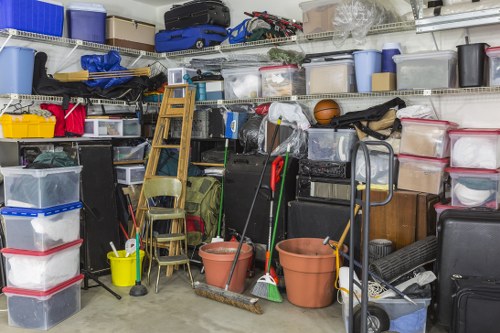
Some properties need a light garden tidy after pruning, while others need a more substantial clearance that combines outdoor waste, shed contents and bulky items. Choosing the right level of service means matching the work to the amount and type of material, rather than aiming for the smallest possible description. If the site is straightforward, a narrow scope may be enough. If the waste is scattered, weathered or mixed, a broader clearance is usually more appropriate.
The most practical approach is to decide what should leave the property and what should stay. That sounds simple, but it helps define the whole job. Border cuttings, rotten timber, damaged outdoor furniture and unused planters may all sit in the same space without serving any useful purpose, yet they may need slightly different handling. A sensible quotation can reflect that mix if it is described clearly at the outset. Being specific about the waste is often more helpful than making the job sound larger or smaller than it really is.
When you are ready, request a quotation with a plain description of the garden, the waste and the access. If there are awkward items or mixed materials, mention them together rather than leaving them as a surprise on the day. For the next step, simply get in touch and ask for a tailored quote.
Garden waste handling and broader outdoor removals
Garden clearance sometimes overlaps with other waste removal work, especially where outdoor storage areas, driveways and front gardens have become crowded with unwanted items. In those cases, the job may include more than green waste alone. Broken household objects, surplus materials from minor outdoor projects and general clutter can all appear alongside prunings and soil-based debris. A good service recognises that overlap and deals with the full mix in a calm, organised way.
For larger or more varied clearances, it can help to think in terms of priority areas. What is blocking access? What is weather-damaged or unusable? What can stay because it still has value? Those decisions make the actual clearance easier to plan and can reduce unnecessary handling. They also help the quotation reflect the real work, rather than forcing everything into a vague description that does not match the site.
If your garden includes items that are not obviously green waste, it is still worth listing them. Mixed materials are common, and the better the description, the easier it is to arrange the right service. Whether the job is limited to a border tidy or spreads into adjoining outdoor spaces, clear information is the best way to start. Ask for a quotation when you have a rough list ready.
Preparing for collection without overdoing the admin
Preparation for garden clearance does not need to be complicated. The most useful step is to group waste by type if that is easy to do: one area for cuttings, another for bulky items, and a separate note for anything fragile or worth keeping. If access is straightforward, there is no need to move everything around just for the sake of it. The aim is simply to make the job clear enough that the quotation matches the site and the collection can proceed sensibly.
It is also helpful to mention practical details such as locked gates, uneven ground, narrow passages or sections of the garden that should be avoided. Those points affect how the work is carried out and whether items can be removed in the most direct way. A brief, accurate description is usually better than a long explanation. When customers keep the focus on the waste and the access, the enquiry remains efficient and the next step is easier to arrange.
For many people, the best time to enquire is as soon as the main waste pile is visible and the scale of the job is roughly known. That does not mean everything must be sorted in advance. It simply means the clearance can be quoted from the facts already available. If you are ready, send a short description and request a quotation.